
Body Language Cues that Signal Attraction: How to Read Nonverbal Interest
Long before anyone puts their feelings into words, body language reveals comfort, curiosity, and emotional openness. While polite phrases can be rehearsed to fit social expectations, physical reactions are largely automatic and much harder to fake.
Observing how someone carries themselves throughout a date gives you a clear sense of their underlying mood. A person might keep their conversation relatively guarded or quiet, yet their posture, physical proximity, and attentiveness will naturally reflect their true interest. Recognizing these patterns helps you separate casual, well-mannered politeness from authentic romantic chemistry.
Why nonverbal behavior speaks louder than words
Spoken conversation often acts as a polite shield during early encounters. People frequently stick to safe topics, hesitate to show vulnerability, or worry about seeming overly eager. The body, however, operates on instinct. When attraction and emotional ease exist, physical cues shift spontaneously to reduce distance and invite engagement.
These small reactions carry the most weight when they form a consistent pattern across an evening. A single glance or an accidental brush of the hand means very little on its own. When sustained attention, relaxed posture, and warm facial expressions happen simultaneously, they provide a reliable gauge of mutual chemistry.
Tracking body language cues that signal attraction and interest allows you to navigate early dating with clarity, helping you recognize mutual readiness without second-guessing every word.
Polite courtesy versus active romantic interest
The clearest way to evaluate interest is to notice whether someone’s attention is distributed socially or focused specifically on you. Friendly behavior remains neutral and balanced, whereas romantic attraction leads to focused engagement.
Physical orientation and focus
A polite acquaintance sits comfortably but keeps their shoulders, hips, and feet angled slightly toward the room or the exit. When someone feels a romantic draw, they orient their entire body toward you, subtly turning away from background distractions to create a private pocket of conversation.
Posture and physical barriers
Polite conversation often includes neutral, guarded body language, such as crossed arms, hands tucked into pockets, or drinks placed directly between you like a physical shield. Romantic interest encourages open posture: arms stay uncrossed, shoulders drop, and they will casually slide glasses, menus, or phones aside to close the gap across the table.
Proximity and comfort with touch
Social politeness maintains a predictable personal bubble. Romantic interest, on the other hand, welcomes closeness. If your date leans in across a small table, steps shoulder-to-shoulder when walking, or stays comfortable when your knees brush, they are signaling ease with physical intimacy.
Subconscious mirroring
When two people click, their body rhythms naturally fall into sync. While a polite acquaintance moves on their own timing, someone feeling chemistry will unconsciously mirror your gestures: leaning back when you lean back, matching your conversational pace, or sipping their drink right after you do.
Subtle micro-expressions and shared momentum
Beyond overall posture, real-time facial expressions provide immediate insight into how your date feels in the moment. Fleeting, natural reactions show whether someone is merely enduring small talk or actively enjoying your company.
Notice the small details that accompany a shared laugh:
- The softened gaze. Eye contact that lingers just a beat longer than usual, paired with eyes that occasionally wander to your lips, shows physical awareness.
- Responsive smiles. An unforced smile engages the whole face, softening the eyes and showing authentic amusement rather than formal social politeness.
- Curious engagement. Slight head tilts and soft nods while you speak confirm that they are processing what you say rather than simply waiting for their turn to talk.
These micro-movements create an easy conversational rhythm, showing that both of you are present and comfortable together.
Do you want to meet the like-minded person? Then take your chance to join a reliable European dating site and enjoy online communication without any limits.
The difference between friendly warmth and intentional flirting
Friendliness is broad, generous, and shared evenly with a room. Flirting, by contrast, is exclusive and personal. The distinction rarely lies in grand romantic gestures; it lives in the focused attention your date gives specifically to you.
When someone is flirting, their conversational tone tends to soften, becoming quieter and more intimate. They might playfully tease you about a quirky preference, gently adjust their hair while holding eye contact, or linger by your side when saying goodbye. Most importantly, these cues repeat and build on each other. When physical closeness and steady engagement continue uninterrupted throughout the night, you can trust that the chemistry is mutual.
What is the most reliable body language sign of attraction?
Consistency across multiple signals is always more reliable than any single gesture:
- Full-body orientation. Someone who continuously angles their torso, shoulders, and gaze directly at you is prioritizing your interaction over the surrounding room.
- Welcoming closer proximity. Leaning in naturally and staying relaxed when physical distance closes signals comfort with deeper intimacy.
- Unconscious physical mirroring. Matching your sitting position, gestures, or drinking pace reflects high subconscious rapport.
How can you tell if someone is just being polite?
Polite social manners follow safe, predictable boundaries:
- Maintaining strict personal space. A polite date keeps a consistent physical distance and often leaves items like bags or drink menus between you.
- Scattered attention. Their eyes wander frequently to the room, their watch, or their phone, even while nodding along politely.
- Formal conversational posture. Arms remain folded or crossed, and their body stays angled toward the nearest exit or open space.
Does a lack of eye contact always mean disinterest?
Not necessarily, as social anxiety often mimics aloofness:
- Dating nervousness. High attraction can make shy individuals look down or break eye contact frequently because they feel vulnerable.
- Look for supportive cues. If someone avoids sustained eye contact but leans in, laughs genuinely, and stays physically close, nervousness is usually the reason.
- Patience over pressure. Giving a nervous date time to warm up without staring intensely often helps them relax into steady eye contact naturally.
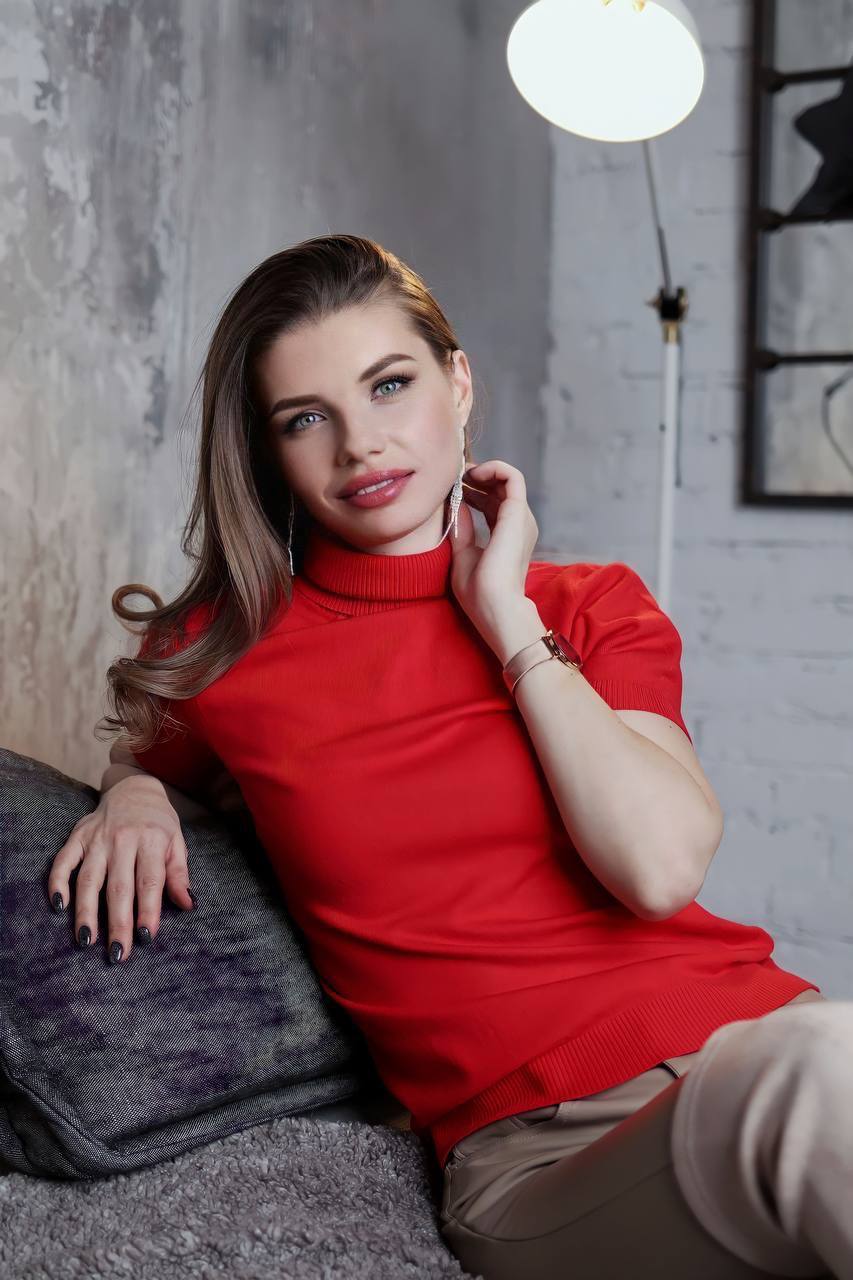
Margaret Pan is a renowned dating expert and coach, known for her expertise in helping individuals find meaningful and fulfilling relationships. With over a decade of experience in the field, Margaret has helped numerous clients improve their dating and relationship skills, boost their confidence, and find their ideal partners.