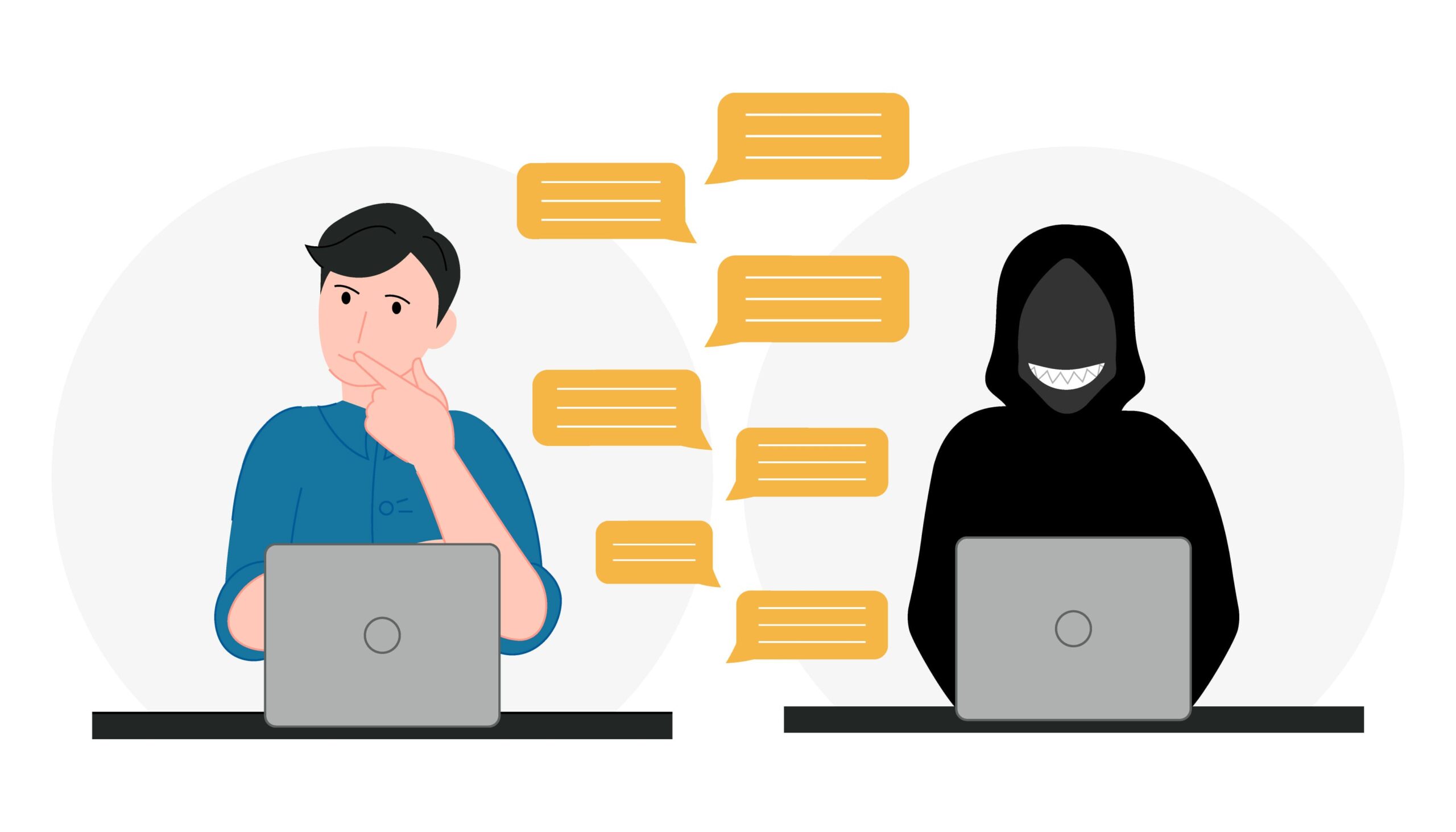
Dating Scammers Also Get Acquainted Online: Be Attentive
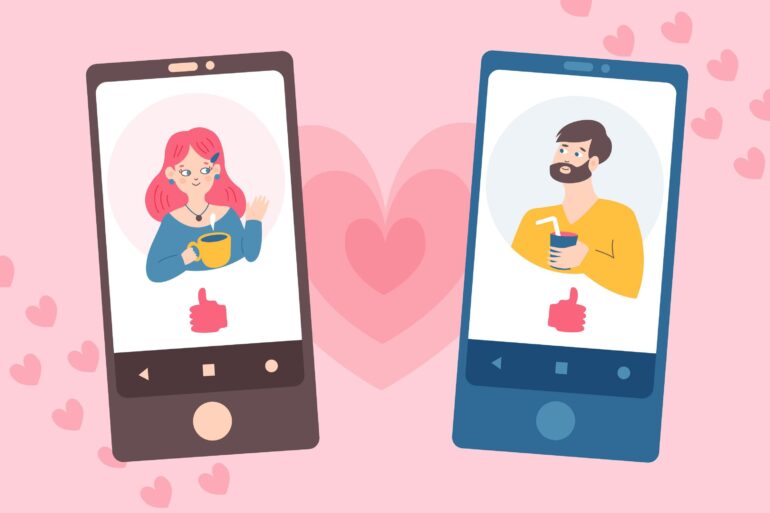
Dating scammers do their best to reach people who are seeking romantic partners to take advantage of them. The cheaters register on dating websites, join social media communities and download applications to be one step closer to their goal. In addition, they use emotional triggers to make you share money, give presents, or provide personal details. Hence, if you decide to find a foreigner for marriage, you should discover more about dating scammers and how to protect yourself.
How Does Scam Work?
Dating websites and applications are the favorite places for marriage cheaters. Usually, a scammer registers an account, creates a profile with a fictional name and other personal details. Most of them pretend to be military personnel, professionals working abroad, aid workers, etc. Scammers aim to create an image of a person who you can trust and do not suspect anything.
A romance scammer will start to express feelings and emotions in a very short period. Step by step, you are ready to move to another platform (email, phone, instant messaging) to chat there. It means the scammer managed to make your communication more personal. Overseas suitors say they are from Australia, working or traveling abroad.
Dating scammers try to do everything to gain your trust and interest. They often say loving words, share personal data, and even send presents. Online cheaters spend weeks or even months building romance like in popular books and films. Then, they talk about booking tickets and arranging personal meetings at last. Once your defenses are down, dating scammers start acting more seriously. They ask for money, gifts, or credit card details. Often, cheaters aim to take your videos or pictures of intimate nature.
Romance scammers say that some of their relatives or friends require urgent medical assistance and ask you to send money due to business problems or bad luck. Another way to get money from you is to say that the ticket is too expensive; hence some funds are necessary to cover flights to see you. Also, cheaters may send some valuable items to you (laptop, mobile phone, etc.) and ask to resend them somewhere. All in all, you risk being involved in the ingenious artifice.

What are the Signs of an Online Dating Scammer?
The first sign of any dating scammer is a fast progression of feelings and emotions. Simply put, the person starts to say loving words almost at once after you get acquainted. For the second, the profile of a dating cheater is not consistent with the information that you hear. For instance, the person says that the native country is the USA, while the messages are full of mistakes. Moreover, their messages go quickly from introduction to love. Dating scammers never keep their promises; they always have the reason why they can’t meet you right now or need money urgently.
How Do You Outsmart a Romance Scammer?
According to Federal Trade Commission, romance scams reached a record $304 million in 2020. If you are not eager to be the next victim of dating scammers, you should learn to protect yourself. First of all, you should not send any money until you meet in person. Besides, follow these rules:
1.Be careful and do not entrust a stranger completely. Keep an eye on warning tips which we have mentioned above.
2.Perform an image search. This way, you can understand whether you are dealing with a real person or not. The most popular tools are TinEye and Google.
3.Watch grammar and spelling mistakes. Check whether profile information is similar to the facts that the person tells you during communication.
4.Think twice before sending any photos or videos. Mind that romance scammers always use this material for blackmailing the targets.
5.Prefer a reliable place. If you meet a stranger, choose a safe public place and leave the address to your friends or relatives.
6.Create account wisely. Think about what information you are sharing in social networking profiles, and do not overdo it. Scammers often use this data to simplify the way to your heart.
7.Report supporting system. Most trustworthy dating sites like VictoriyaClub encourage visitors to report suspicious users so that they can remove their profiles. This way, you will not care only about your safety by diminishing risks for other community users.
8.Get in touch with your bank. If you sent money or shared banking details with a scammer, contact the bank employees at once. Maybe there is a chance to improve the situation.
9.Do not hide. Spread the word with other members of a dating community, your friends, and everybody who risks becoming the victim of a particular dating scammer.
Final Word
Dating scamming may greatly spoil your online experience, but it doesn’t mean that meeting a suitable person on the Internet is impossible. You just need to keep in mind the above-mentioned tips to stay safe. First, select only reliable dating websites, and then enjoy communication with the same-minded people.
Also worth reading: Online Dating Profile: What Experts Recommend to Write
What is the "pig butchering" crypto romance scam and how does it work
The "pig butchering" scam (Sha Zhu Pan) is an elaborate, long-term psychological fraud where the attacker cultivates a deep romantic bond before introducing financial theft. The scammer first spends weeks or even months acting as an attentive, affectionate, and emotionally supportive partner. They learn about your daily life, build vulnerability, and establish complete trust without ever mentioning money initially.
Once the emotional hook is set, they casually bring up their personal financial success with cryptocurrency, foreign exchange trading, or high-yield investments. They offer to "teach" you or help you make passive income, directing you to a professional-looking but entirely counterfeit trading website or mobile application.
At first, the scammer encourages you to deposit a small, comfortable amount, and the manipulated platform quickly displays massive, rapid gains. They will even allow you to successfully withdraw a small profit back to your personal account to eliminate any lingering skepticism. Convinced that the system works, victims frequently deposit life savings, take out loans, or liquidate retirement funds. When you finally attempt to withdraw a large balance, the platform freezes your account, claiming you must pay fabricated "taxes," "security fees," or "AML clearance deposits." The moment you stop sending funds, the scammer blocks all communication and vanishes with your money.
What fake jobs and backgrounds do romance scammers use most
Scammers systematically select specific professional backgrounds that provide convenient excuses for why they cannot meet in real life, jump on impromptu video calls, or travel locally.
Deployed Military Personnel. Fabricated roles as army officers, tactical doctors, or peacekeepers stationed in active conflict zones where strict operational security prevents open communication.
Offshore and Specialized Engineers. Personas such as engineers on remote oil rigs, subsea pipeline specialists, or maritime cargo captains with claimed poor satellite reception.
International Aid Doctors. Profiles presenting as traveling surgeons with the UN or Doctors Without Borders on urgent humanitarian assignments overseas.
High-Flying Entrepreneurs. Personas as luxury real estate investors or import-export executives who are perpetually traveling between private corporate conferences.
The visual assets for these profiles are almost always stolen from the public social media accounts of fitness models, minor lifestyle influencers, or active military service members. If a match displays perfectly curated, professional-grade photos, declares deep feelings quickly, and consistently provides logistical excuses to avoid a 30-second live video verification, you are dealing with an engineered persona.
What should you do immediately if you sent money to a scammer
Acting immediately within the first 24 to 48 hours is critical to preserving any chance of mitigating financial losses.
Alert Your Financial Institutions. Contact your bank, credit card issuer, wire transfer service, or peer-to-peer payment app right away. Request an immediate stop payment, wire recall, or fraud chargeback, and ask for your account credentials or card numbers to be reissued.
Notify Cryptocurrency Exchanges. While direct transactions on the blockchain cannot be reversed, alert the support team and compliance department of the specific crypto exchange where the fraudster's deposit wallet resides. Providing transaction hashes (TXIDs) can sometimes result in freezing the recipient wallet if the funds have not yet moved through mixing services.
Preserve Complete Evidence. Export and back up full chat logs, voice notes, transaction receipts, bank statements, URLs to fraudulent platforms, and phone numbers. Do not delete the conversation history out of embarrassment, as this is essential documentation.
File Law Enforcement Reports. Submit a formal cybercrime complaint to national authorities, such as the FBI's Internet Crime Complaint Center (IC3), the Federal Trade Commission (FTC), or your country's national cyberpolice department, along with a local police report.
Avoid Recovery Scammers. Stay alert to unsolicited emails, comments, or private messages from "ethical hackers" or "recovery specialists" claiming they can hack the scammer and retrieve lost money for an upfront fee. These are secondary extortion scams targeting previously victimized individuals.
How to quickly verify someone's photos with reverse image search
Reverse image search allows you to cross-reference a profile picture across billions of indexed web pages to determine its original source within minutes.
Save High-Resolution Copies. Download or take clean screenshots of multiple images from their dating profile, prioritizing pictures where the face is unobstructed by sunglasses, hats, or heavy filters.
Run Searches Across Multiple Engines. Upload the photos directly to Google Images (via Google Lens), TinEye, Yandex Images, and FaceCheck.ID. Different search engines specialize in different regions and facial indexing, so checking more than one yields the most reliable results.
Analyze Search Matches. Review the indexed links to see if the face belongs to a different name, a verified social media personality, an adult content creator, or a public stock photo database.
Account for Scammer Obfuscation. Fraudsters frequently crop, rotate, tint, or add subtle visual noise to stolen images to evade reverse search algorithms. Searching across several different profile pictures or cropping tightly around the face can bypass these evasion techniques.
How to safely report and block a romance scammer
Handling the discovery of a romance scammer requires a calculated, quiet response rather than an emotional confrontation.
Do Not Confront the Scammer. Never tell the person that you know they are a fraud. Calling them out alerts them to delete their profile, delete chat logs, alter their tactics, or launch verbal threats and blackmail attempts.
Capture Comprehensive Screenshots. Before taking any formal action, screenshot their profile page, bio details, photo gallery, user ID numbers, and all chat logs containing financial requests, crypto addresses, or external links.
Submit an In-App Report. Use the dating platform's built-in reporting system to file a complaint under fraud, financial scamming, or impersonation. Attach your evidence so account moderation teams can ban their account, wipe active conversations, and blacklist their device identifiers.
Execute a Complete Blacklist. Block the scammer across all channels simultaneously, including messaging apps, cellular phone numbers, and social media platforms. Adjust your personal social media privacy settings to private to prevent them from attempting to reach you through secondary burner accounts.

I’m Jacob Lee, a writer and editor dedicated to exploring the nuances of relationships through my articles. With a keen interest in human connections, I’ve authored numerous pieces offering valuable tips and insights for navigating the complexities of romance. From communication strategies to fostering intimacy and trust, my writing aims to provide practical guidance for individuals seeking to build healthy and fulfilling relationships. Through empathetic storytelling and thoughtful analysis, I strive to empower readers to navigate the ups and downs of love with confidence and resilience.