
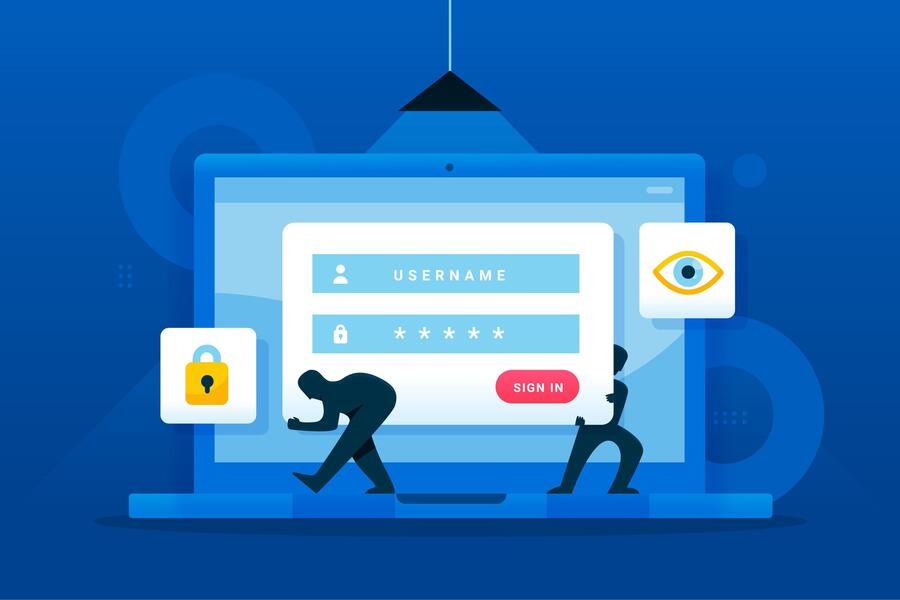
Scambaiting. How to Become a Scam Baiter?
Have you ever thought about getting revenge on scammers for their spam emails, fake phone calls, letters about allegedly won lotteries, text messages asking for help from a friend or relative, and other clever tricks? It turns out that this idea is by no means new: there have been active anti-fraudulent initiatives for several years. Some people who take part in them are often called scam baiters.
The Essence of Scam Baiting
The term “scambaiting” describes the activities of people that target scammers who try to deceive naive victims with their false promises and deceptive schemes, all to steal money that Internet users earn through hard work. Due to the rapid rise of dating scamming, scambaiting has become one of the most important issues at present time.
Anti-scam can be both active when actions are taken directly against scammers, and informational, when people are alerted on targeted forums or sites about new types of scams and methods used by scammers. To put it simply, anti-scam is scamming directed against a scammer. The user poses as a gullible victim, responds to a letter, or otherwise gets in touch with scammers, plays a trick on them so that they waste time and resources, thereby taking revenge for their fraud.
What Do Scam Baiters Do?
Perhaps in general you have got the idea of scambaiting. But what do scam baiters actually do? Well, these activists pretend to be real victims of scammers. They start the communication in dating apps or websites and try to discover the scammers’ tools and common methods that they use for deceiving people and taking money from them. Then, they share this information on the forums in order to prevent other daters from getting into a trap of skilled marriage swindlers. Or, scam baiters get in touch with the website’s administration so that specialists can block the scammers and totally restrict access to the dating platform. Some scam baiters are motivated by a sense of duty, others are inspired by more experienced activists. But of course, in most cases, it is the way to take revenge upon offenders.
Effective Tips for Scambaiters
If you decide to decrease the number of dating scammers and allow other people to receive great experience on international dating sites, then keep an eye on the following nuances:
- Fake personality. The scambaiter needs a phony email address, counterfeit name, telephone number, and other individual information to contact the trickster. This stays away from mix-ups and conceivable declassification. It is better to use free email services like Gmail. All in all, scambaiters ought not uncover their genuine subtleties. If a trickster inquires as to why a scambaiter never answers calls, you can say that you were busy at work, shopping, etc.
- Fake passport. The dating scammer may ask for a passport to purchase a plane ticket to meet face-to-face. Scambaiters should be ready to provide a phony passport to avoid related suspicions.
- Communication. You should be very attentive while communicating with scammers. It is better to write down some useful notes on what to say, how to react, and what to do if some suspicions arise. Read more about the experience of other scambaiters especially if it is your first attempt.

Final Thoughts
Scambaiting is gaining more and more popularity among women and men at present. The daters are fed up with users who recognize themselves smarter and want to get money without working even a day. That’s why many smart ladies and gentlemens think about becoming scam baiters. It is not as easy and safe as it may seem to be at first sight. Hence, if you have decided to become a scam baiter as well, you should be ready for risks, curses, and other undesirable things. Keep in mind, you are fighting with hoodlums!
Also worth reading: Topics for Conversation on Dating Sites
Is scambaiting legal or can you get into trouble with law enforcement
Scambaiting exists in a nuanced legal space that depends entirely on the specific tactics you use during an interaction. At its baseline, simply replying to unsolicited spam emails, answering fraudulent calls, pretending to be gullible, and sending fabricated names, fake bank receipts, or non-existent voucher codes is entirely legal in almost all jurisdictions. You have no legal obligation to tell the truth to a criminal who contacted you unsolicited with fraudulent intent.
However, the legal line is crossed the moment a baiter transitions from defensive deception into active offensive cyber operations. If you deploy malware or remote access Trojans (RATs) to infect the scammer's computer, delete their files, hijack their internal security webcams, or attempt to reverse-hack their local network to steal money back, you are violating computer misuse laws (such as the Computer Fraud and Abuse Act in the US or equivalent international cyber legislation). Law enforcement agencies strictly differentiate between wasting a fraudster's time and unauthorized computer intrusions, regardless of how noble your intentions may be.
Can scambaiters track down a scammer's real physical location
Tracking down a scammer's precise physical street address is exceptionally challenging due to the multi-layered technical deception modern criminal operations employ. Fraud syndicates routinely route their internet connections through commercial VPNs, rotating proxy servers, and compromised botnets. Furthermore, their voice communications are typically conducted via spoofed VoIP gateways that display fake local caller IDs on victim devices.
While finding an exact building or room is rare without state-level subpoena power, experienced baiters can often pinpoint general geographic locations and operational hubs. By analyzing unmasked server logs, tracking reverse connection latency, listening closely to ambient call center background chatter, identifying regional accents, and correlating active shift hours with local time zones, baiters can often narrow down the operation to a specific city or industrial district. Pinning down an exact physical facility, however, almost always requires handing these collected digital fingerprints over to local or international law enforcement agencies who can execute on-the-ground raids.
What is the difference between an ethical scambaiter and a vigilante hacker.
The primary distinction between an ethical scambaiter and a vigilante hacker lies in their operational boundaries, methods, and legal compliance.
Ethical Scambaiters. Focus strictly on harm reduction, public education, and resource disruption without breaking the law. They use psychological roleplay, artificial bureaucratic delays, and social engineering to keep scammers occupied on calls or emails. Their goal is to prevent real victims from being targeted and to quietly gather intelligence—such as mule bank accounts, payment links, and domain names—to submit to hosting providers and legal authorities for official takedowns.
Vigilante Hackers. Rely on offensive digital attacks to dismantle scammers directly. They often bypass legal channels to exploit vulnerabilities in the scammer's remote desktop software, deploy denial-of-service (DDoS) attacks against call center phone lines, or gain unauthorized access to internal file systems to delete databases. While their actions may disrupt criminal activity temporarily, their methods are illegal under international cyber statutes and risk destroying forensic evidence that law enforcement needs for formal prosecution.
How do scammers find potential victims in the first place
Cybercriminals rely on a broad ecosystem of automated scrapers, public data leaks, and deceptive marketing funnels to harvest vast lists of prospective victims.
Dark Web Data Leaks. Massive corporate database breaches exposed on dark web marketplaces provide scammers with billions of verified names, email addresses, phone numbers, and physical addresses.
Automated Web Scraping. Fraudulent networks deploy automated bots to crawl public social media platforms, professional directories, and online forums, extracting contact details from public bios and comment sections.
Malicious Search Engine Ads (Malvertising). Scammers bid on high-intent search keywords (such as customer support phone numbers, airline booking changes, or printer setup guides) to place fraudulent sponsored ads at the very top of search engine results.
Mass Robocalling and Phishing Blasts. Automated auto-dialers broadcast millions of pre-recorded voice messages or SMS phishing texts (smishing) daily, filtering out disconnected lines and flagging numbers that pick up or reply as "active leads."
Fake Dating Profiles and Social Media Catfishing. Syndicates maintain thousands of automated or scripted bot accounts across popular dating apps and social platforms to initiate direct messaging campaigns aimed at finding lonely individuals.
What should you do if a scammer figures out you are baiting them
When a scammer suddenly realizes they are being baited rather than exploiting a real victim, their reaction is typically explosive, shifting instantly to aggressive verbal abuse, extreme vulgarity, or direct threats of retaliation. Maintaining strict emotional detachment during this moment is critical.
Never Argue or Boast. Do not gloat, explain how you tricked them, or engage in a shouting match. Showing emotional reaction provides the scammer with satisfaction and gives them insight into what gave away the bait.
Capture Final Evidence Immediately. Take quick screenshots of the final conversation, chat logs, active remote session windows, and any newly exposed technical identifiers before the scammer closes the application.
Sever the Connection Cleanly. Disconnect the remote session or hang up the call immediately without offering a dramatic farewell. Block the scammer’s contact number, email, and social profiles across your burner accounts.
Isolate and Reset the Environment. Revert your virtual machine back to its baseline clean snapshot to wipe any temporary files or cache data from the session.
Verify Network Security. Ensure your VPN remains active and check that no personal files, browser accounts, or true IP coordinates were exposed during the session to eliminate any risk of retaliatory network attacks or doxxing.

I’m Jacob Lee, a writer and editor dedicated to exploring the nuances of relationships through my articles. With a keen interest in human connections, I’ve authored numerous pieces offering valuable tips and insights for navigating the complexities of romance. From communication strategies to fostering intimacy and trust, my writing aims to provide practical guidance for individuals seeking to build healthy and fulfilling relationships. Through empathetic storytelling and thoughtful analysis, I strive to empower readers to navigate the ups and downs of love with confidence and resilience.